
Table of Contents
Thank you! Your submission has been received!
Oops! Something went wrong while submitting the form.

Published:
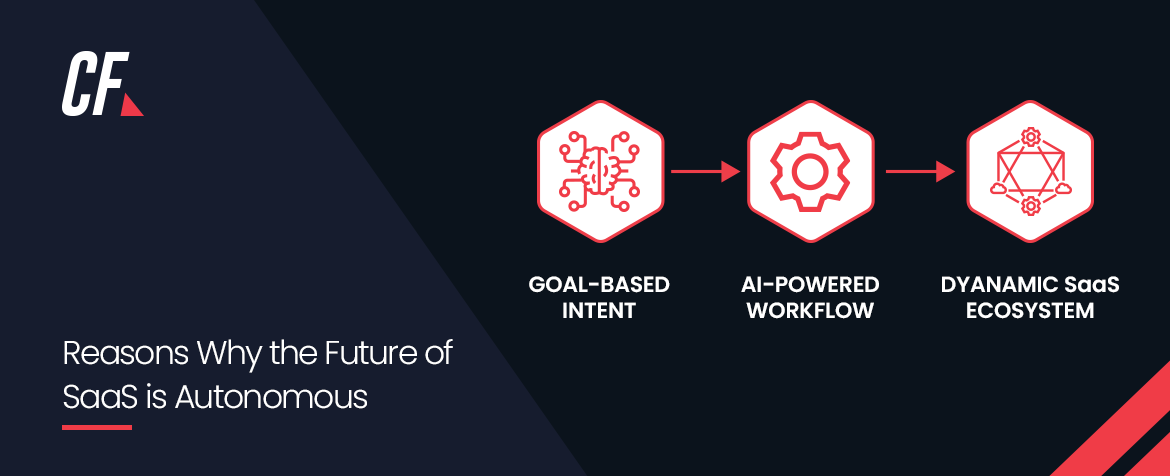
Software as a Service is changing in a noticeable way. It is no longer just about tools on a screen. With artificial intelligence, AI agents, and automation, SaaS platforms can now handle workflows on their own.
They can process data, make decisions, and keep things moving. This fits naturally with digital transformation, where cloud computing and intelligent systems support faster operations.
Autonomous SaaS is a type of software as a service that can handle work on its own. It uses artificial intelligence, AI agents and automation to read data and take action. Instead of waiting for input, it runs workflows in real time.
With help from machine learning and cloud computing, it keeps things moving and supports everyday digital operations.
Workflows are moving from user-driven steps to systems that run with artificial intelligence and automation.
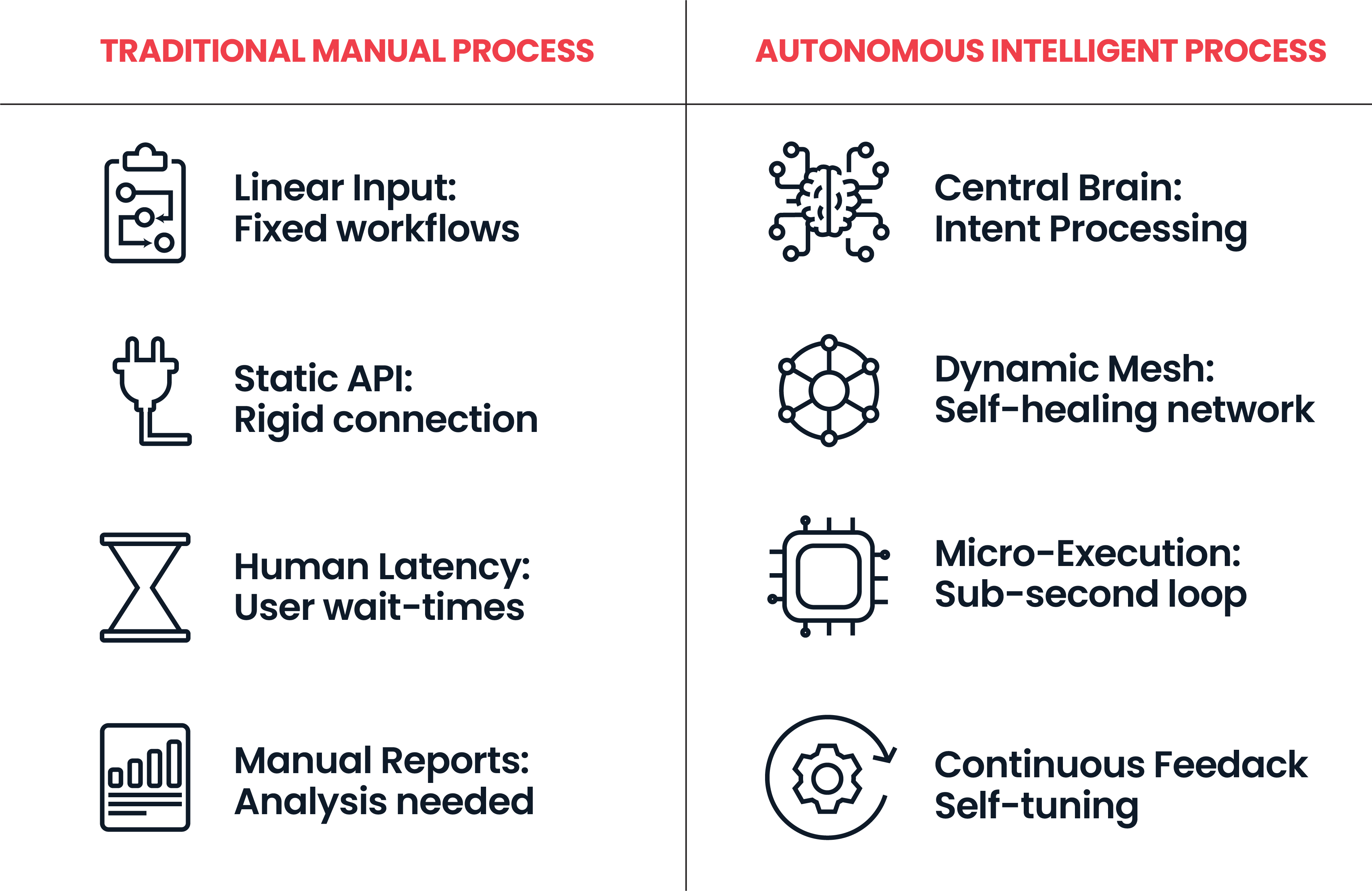
In a traditional setup, users handle each step. They open a SaaS platform, use the interface, and complete tasks step by step. Each action depends on input.
The system follows instructions. Progress depends on manual actions across cloud platforms and enterprise systems.
Autonomous SaaS uses artificial intelligence, AI agents, and workflow automation to run tasks. Systems read data, understand context, and act in real time.
They follow goals instead of step-by-step instructions. Machine learning and data intelligence guide decisions.
Through APIs and cloud infrastructure, systems stay connected. This supports continuous workflow execution, system integration, and steady operations.
Autonomous SaaS is growing as systems become more capable of handling workflows with artificial intelligence and data.
People want results, not steps. Modern SaaS focuses on outcomes like completed workflows and updated data. Artificial intelligence and AI agents help systems act on user intent. This reduces the need to move through multiple screens and actions.
Intelligent automation is now part of many SaaS platforms. Workflow automation allows systems to handle tasks without constant input. AI agents manage execution, while machine learning improves how tasks are handled over time. This supports steady and reliable digital operations.
Businesses use many tools across cloud computing environments. Autonomous SaaS connects these systems through APIs and system integration. This allows data to move freely between platforms. Unified data flow supports faster coordination and keeps processes aligned.
Adaptive systems adjust based on real-time data. Data intelligence and predictive analytics help systems respond to changing conditions. Autonomous SaaS uses continuous learning to refine workflows. This keeps operations aligned with current needs and supports consistent performance.
As the future of the SaaS industry grows, businesses look for systems that can run with artificial intelligence and automation.
A good platform should be able to run tasks with clear logic and minimal input. It should support workflow automation and respond based on real-time data. Context awareness matters here, since systems need to adjust based on activity and ongoing processes.
The system should support integration across different tools through APIs. A cloud-based setup helps manage data flow and keeps systems connected across environments. This also supports stable performance as workflows expand.
A strong platform improves over time. It learns from data and adjusts how workflows run. It should also scale easily, so it can handle more tasks, more data, and growing business operations. This is one reason many teams believe that SaaS is the future.

AI, automation & smart solutions are reshaping software. Let’s build future-proof technology for your business today!

Autonomous SaaS supports business growth by improving how systems handle work and data. It helps organizations run operations with more consistency and better coordination.
The future of SaaS is visible in real workflows where systems use intelligence and automation to handle tasks across business operations.
Autonomous SaaS helps manage customer support by using conversational AI agents to read incoming requests and understand context. Systems process data, route queries, and support response flows. This keeps workflow execution steady and supports better coordination across support platforms.
Sales systems use workflow automation to track activity and respond to changes in real time. With system integration and data flow, SaaS platforms update records and support next steps automatically. This helps maintain consistent movement across sales processes.
Marketing platforms use data intelligence and machine learning to adjust campaigns based on user behavior. Autonomous SaaS supports real-time processing, which allows systems to align messaging and workflows with current activity across digital channels.
Autonomous SaaS connects tools through APIs and cloud infrastructure to manage internal workflows. Systems coordinate tasks, support process optimization, and maintain data flow across enterprise systems. This creates a more connected and adaptive work environment.
The future of SaaS is shaping how software works in daily operations. With artificial intelligence, automation, and data, SaaS platforms now support smarter workflows and connected systems. As McKinsey research highlights, organizations that redesign workflows around AI see the greatest business impact.

Autonomous SaaS uses data intelligence and real-time processing to support faster and more informed decisions. It helps teams act on current data without waiting for manual analysis.
Cloud computing provides the environment where SaaS platforms store data and run workflows. It supports system connectivity, data flow, and access across different tools and locations.
APIs allow different systems to connect and share data smoothly. This helps autonomous SaaS manage workflows across tools and keep processes aligned without manual coordination.
Autonomous systems adjust based on data, activity, and workflow patterns. They support consistent operations by aligning tasks with current business processes and system behavior.


